
Since 2009, the federal minimum wage has remained stagnant at $7.25 per hour. Consequently, numerous cities and states have taken it upon themselves to establish higher minimum wage standards. As of January 1, 22 states and 38 cities and counties implemented increases in minimum wages.
Presently, the highest minimum wages, including Washington, D.C., are as follows: D.C. ($17), Washington ($16.28), California ($16), Connecticut ($15.69), and New Jersey ($15.13). Additionally, New York, Massachusetts, and Maryland all have minimum wages set at $15.
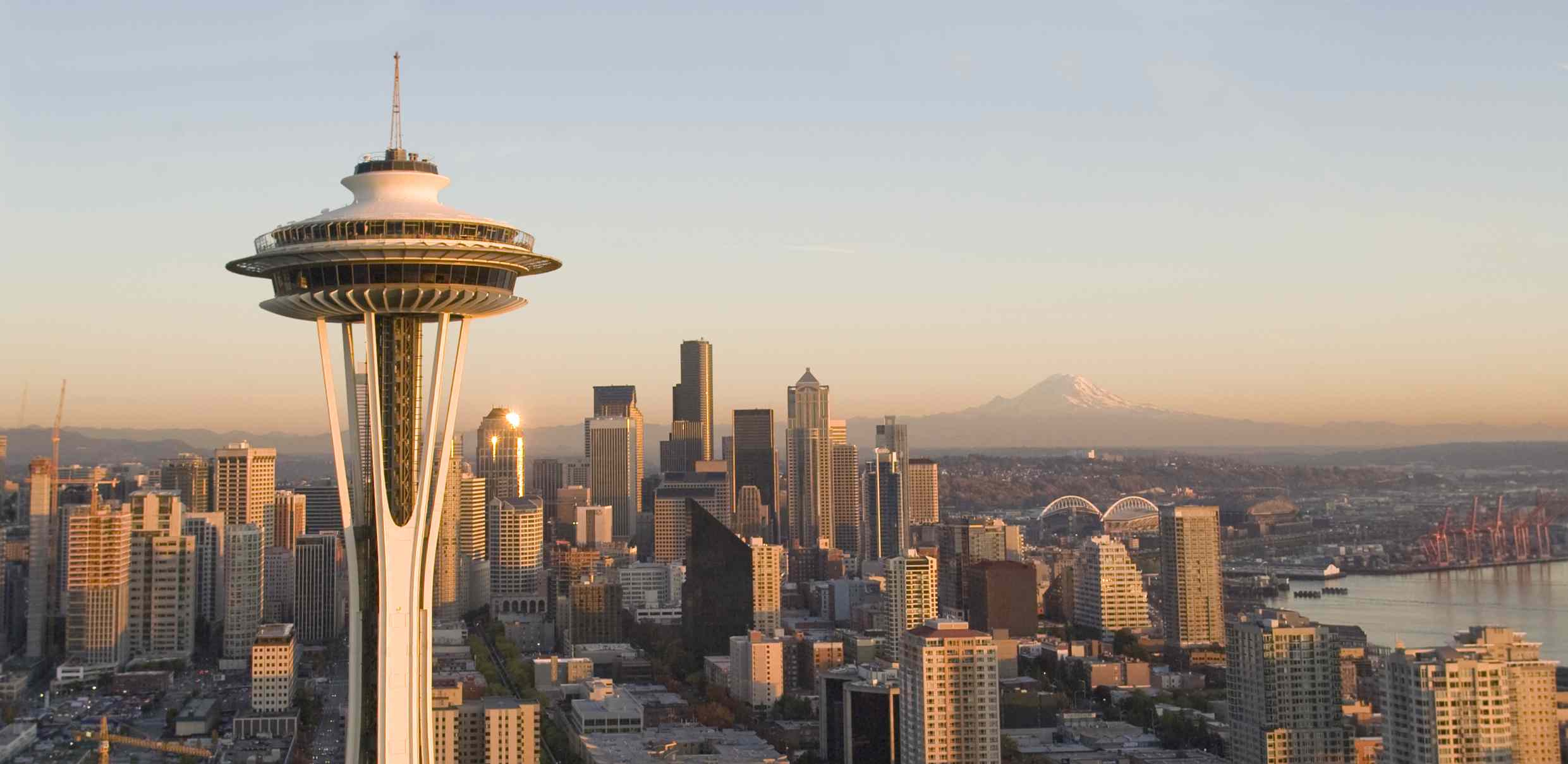
On a more local level, 58 cities and counties have set minimum wages surpassing those of their respective states. The top 10 are all situated in the West, with the top three being Tukwila, Washington ($20.29), Seattle ($19.97), and SeaTac, Washington ($19.71).
According to the Economic Policy Institute, the state and local minimum wage increases in the current year are estimated to impact 9.9 million workers. Out of the 22 state increases on January 1, 14 resulted from automatic inflation adjustments. Hawaii had the most significant increase, with a $2 raise to $14, representing a 28% increase.
A 2023 Bureau of Labor Statistics report on workers earning minimum wage or less in 2022 revealed that such workers are predominantly young (45% under the age of 25), female (2% women compared to 1% men), and Black (2% compared to 1% among other racial and ethnic groups). Additionally, 3 in 5 of those at or below the federal minimum wage level work in the leisure and hospitality industry.
Since the federal minimum wage has remained at $7.25 since 2009, it’s crucial to note that while 20 states have it set at this level, the majority of hourly paid workers earn more. In states like Louisiana and Mississippi, only 3% of hourly paid workers earn $7.25 per hour, and in Alabama and Utah, it’s just 1%. Overall, 0.18% of hourly workers in the U.S. earn the federal minimum wage, and 1.1% earn below it as of 2022.
Despite the fact that most hourly workers earn more than the federal minimum, their wages have not kept pace with inflation. According to the Bureau of Labor Statistics’ inflation calculator, $1 in 2023 has only 70% of the buying power it had in July 2009. This means that $7.25 per hour today was equivalent to $5.11 per hour in 2009.
Efforts to increase the federal minimum wage through legislation since 2009 have not been successful. The most recent proposal, the Raise the Wage Act, suggested by Democrats in Congress last year, aims to incrementally raise the federal minimum wage to $17 per hour by 2028, with subsequent adjustments tied to median wage growth.