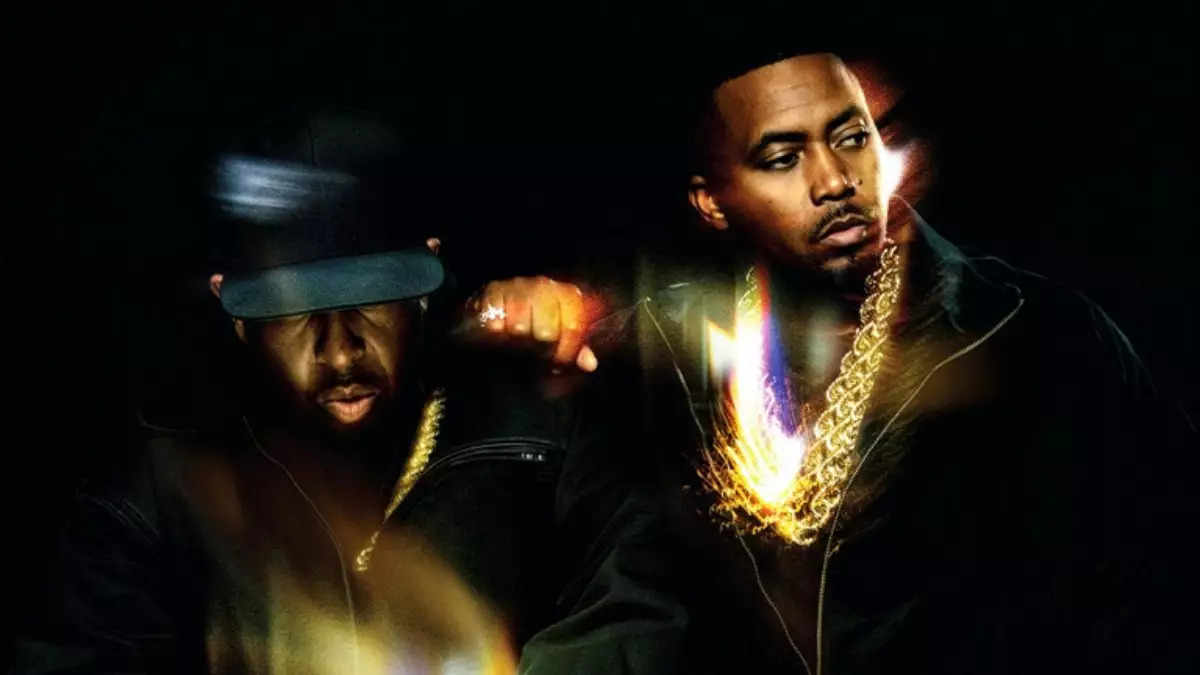
Hip-hop fans who spent decades hoping for a full-length Nas and DJ Premier album finally have their wish. Light-Years marks the first time the two legends have locked in for an entire project, and both artists acknowledge the weight of expectation that has followed them since the ’90s. Nas even compares the project’s anticipation to Dr. Dre’s long-discussed Detox era, while joking elsewhere that fans simply would not stop asking for this collaboration.
Their chemistry has been evident since Illmatic in 1994, where three DJ Premier productions, including “N.Y. State of Mind”; shaped the tone of the album. Follow-up collaborations like “Nas Is Like” and “I Gave You Power” only intensified the demand for a full joint LP. In 2006, Scratch magazine even featured both artists on its cover, hinting that the project was finally coming. But schedules shifted, creative priorities changed, and while Nas released work with Damian Marley, Kanye West, and Hit-Boy, a complete Premier collaboration remained elusive; until now.
Light-Years arrives within Mass Appeal’s Legend Has It… series and intentionally serves listeners who cherish the aesthetics of ’90s hip-hop. The album leans into hip-hop’s foundational elements, classic references, and Premier’s iconic scratches, but both artists are now older and operating with decades more experience. Nas, now 52, often raps from a place rooted in growth, investment, and cultural preservation, while DJ Premier, 58, continues to build on more than 35 years of production work.
Across the album, Nas deepens his role as a curator of hip-hop history. Tracks like “Pause Tapes” pay homage to analog production techniques, using detailed imagery to recreate the era of dubbing samples on cassette. “Bouquet (To the Ladies)” honors women who have shaped hip-hop, from Jean Grae and Bahamadia to Latto and Iggy Azalea. On “Writers,” he pays tribute to graffiti legends, continuing his pattern of acknowledging the culture’s full lineage.
Nas’ lyricism remains sharp and technically rich. His descriptive storytelling carries songs like “Sons (Young Kings),” where he recalls clubs and New York landmarks that defined earlier eras. On “GiT Ready,” he blends reflections on his early career with present-day references, comparing his evolution to shifting financial landscapes. Whether reflective or boastful, Nas maintains a level of detail and rhythm that shows he is still deeply connected to his craft.
DJ Premier’s production across the album stays true to his signature approach. The boom-bap foundation supports Nas’ tone well, with crisp drums, minimal loops, and scratches that evoke the analog era. While the production feels more steady than bold, the approach aligns with the album’s tone; grounded, familiar, and rooted in tradition. Though it doesn’t seek to radically innovate, it delivers the cohesion that longtime fans expect from the duo.
The album includes several sequels to earlier Nas records, with mixed results. “NY State of Mind Pt. 3” revisits the energy of its predecessors, though Nas acknowledges that certain eras can never be replicated. Other continuations, like “Sons (Young Kings)” and “3rd Childhood,” approach the themes of earlier songs with maturity and a more reflective tone, focusing on family, aging, and personal growth.
Concept-driven tracks also return, continuing a long tradition within Nas’ discography. Songs like “Junkie,” “Pause Tapes,” and “Writers” explore specific facets of hip-hop culture. “Nasty Esco Nasir” stands out for its internal narrative, pitting Nas’ past personas against one another before revealing who he is today as an artist in 2025.
Whether Light-Years was “worth the wait” depends largely on expectations. Those anticipating the raw intensity of “Nas Is Like” may feel it aims instead for consistency rather than reinvention. But the album succeeds as a reflective, cohesive collaboration between two artists honoring their shared history. Rather than attempting to recreate the past, it serves as a celebration of longevity, craftsmanship, and mutual respect. For many listeners, the satisfaction lies not in the project exceeding the classics of the ’90s, but in the fact that it finally exists, and that both artists still have something meaningful to say.